
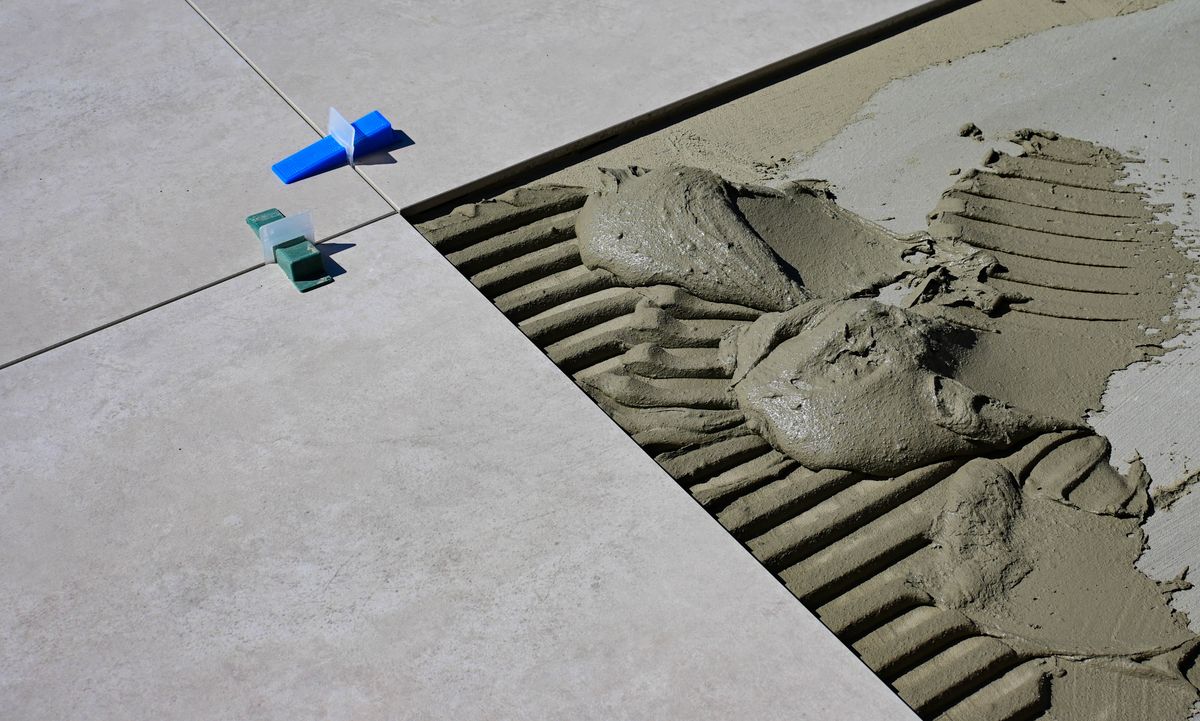
Laying large-format floor tiles over adhesive
Home / Residential Tiling / Types of Tiling Jobs
REFERENCE — TYPES OF JOBS
You might know the result you want, such as a retiled bathroom or a new splashback, without knowing what the job involves underneath. This page sets out the tasks I’m regularly asked to do in Melbourne homes, and links each one to the service it belongs to.
HOW TO READ THIS PAGE
Each task below is part of a real tiling job, not a standalone product. Several of them often come together: replacing cracked floor tiles can mean checking the floor for level first, and a bathroom retile always starts with setting out. The numbers match the service pages, so you can follow any task to the full explanation.
01 — FLOOR TILING
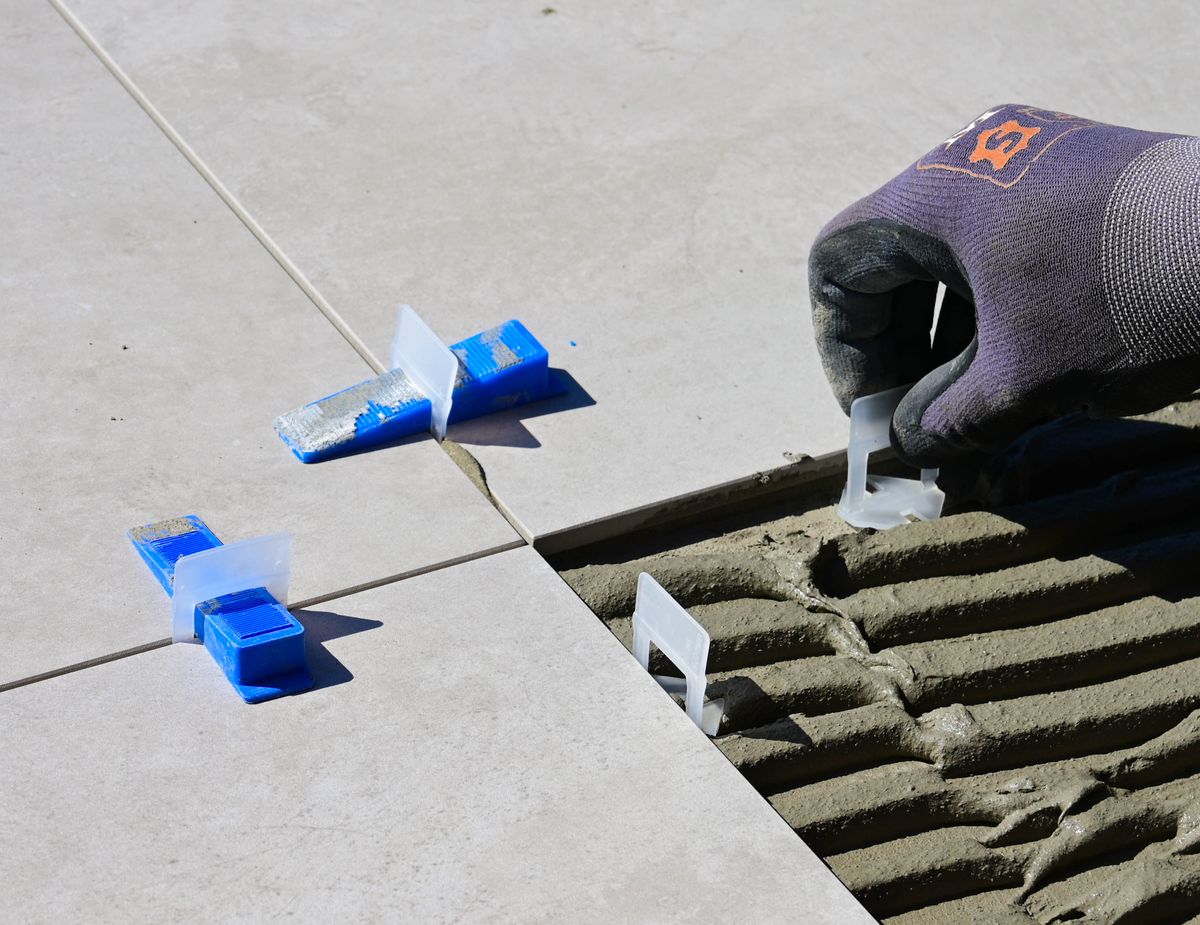
Checking a floor for level
Before any tile goes down, I run a straightedge and level across the floor to find dips, humps and falls. That tells me whether the floor can be tiled as it is or needs work first.
01 — FLOOR TILING
Old adhesive, loose sections and signs of moisture are dealt with here. An uneven, unstable or moisture-affected substrate can compromise the finished job, however good the tiles look on day one.
02 — WALL TILING
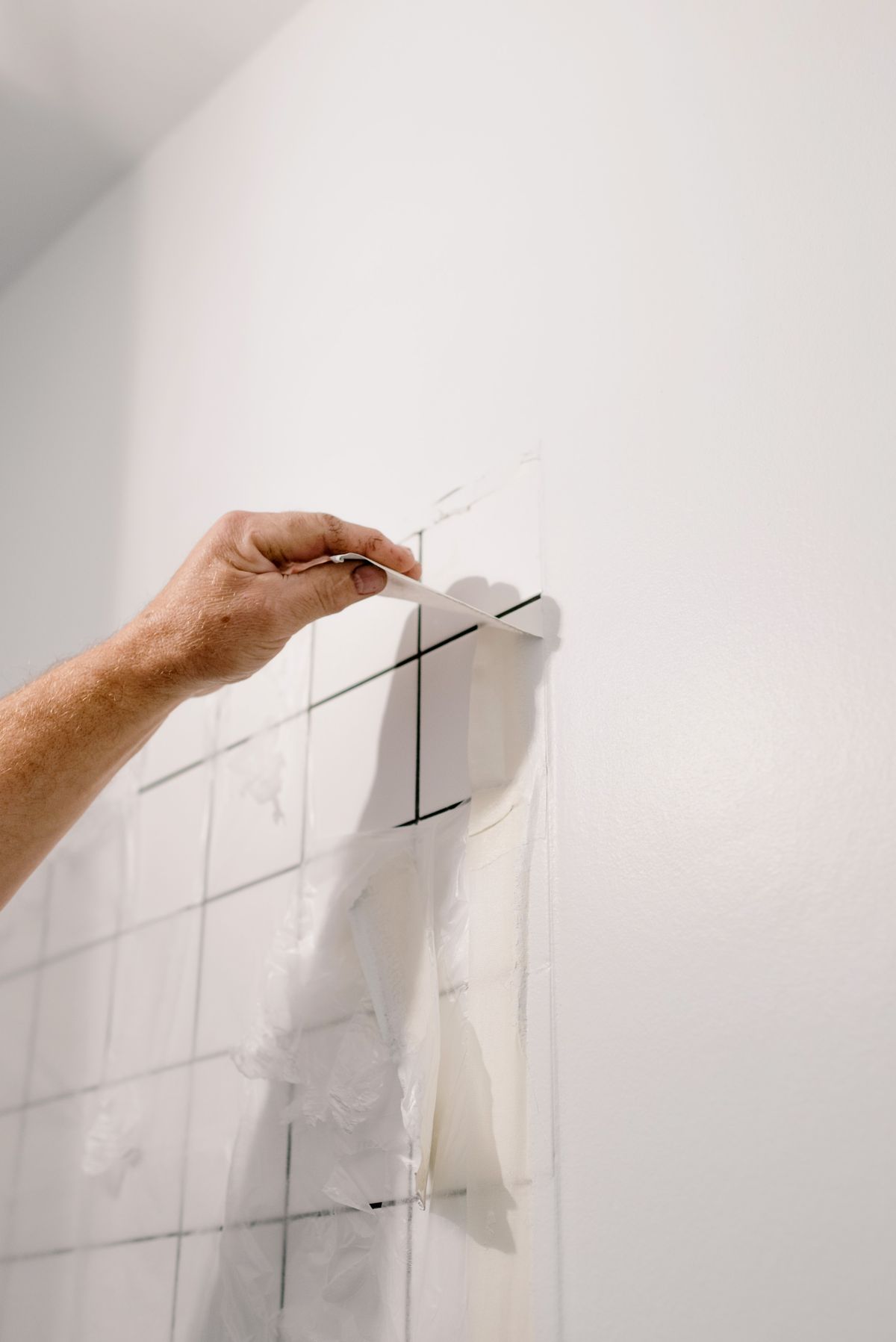
Setting out a wall
I mark the wall in pencil before any adhesive goes on, deciding where the rows start and where the cuts fall. This is what keeps the rows level and avoids thin slivers at corners and edges.
03 — BATHROOM TILING
A bathroom retile brings together floor and wall tiling in a small space with fixtures to work around. Any waterproofing or plumbing is a separate job for licensed specialists, done in the right order.
04 — KITCHEN AND LAUNDRY TILING
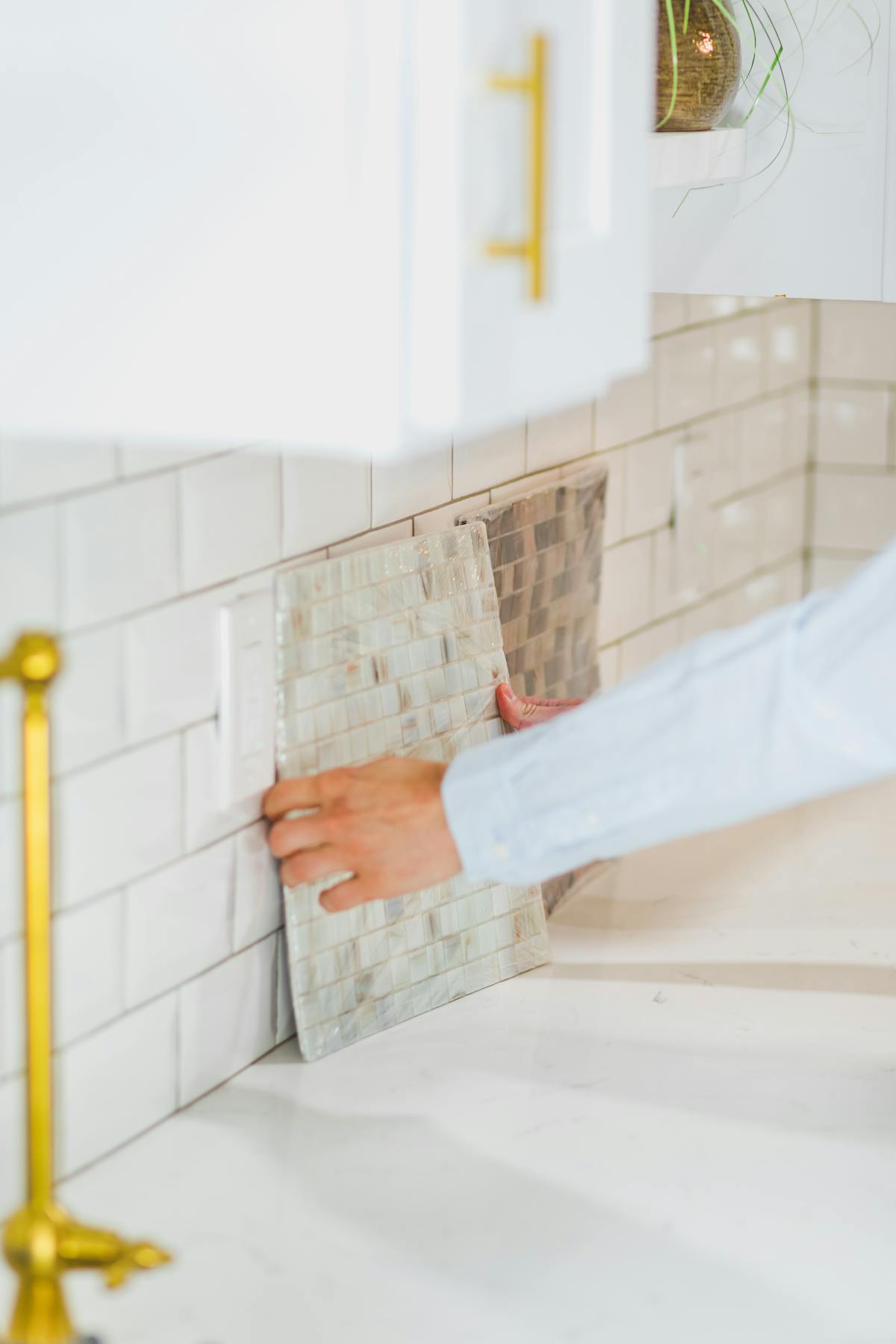
Tiling a splashback or laundry wall
Splashbacks sit between benchtops, cabinets, power points and windows, so the setting-out has to suit everything around them. Laundry walls and floors follow the same approach.
05 — TILE REPLACEMENT AND REPAIRS
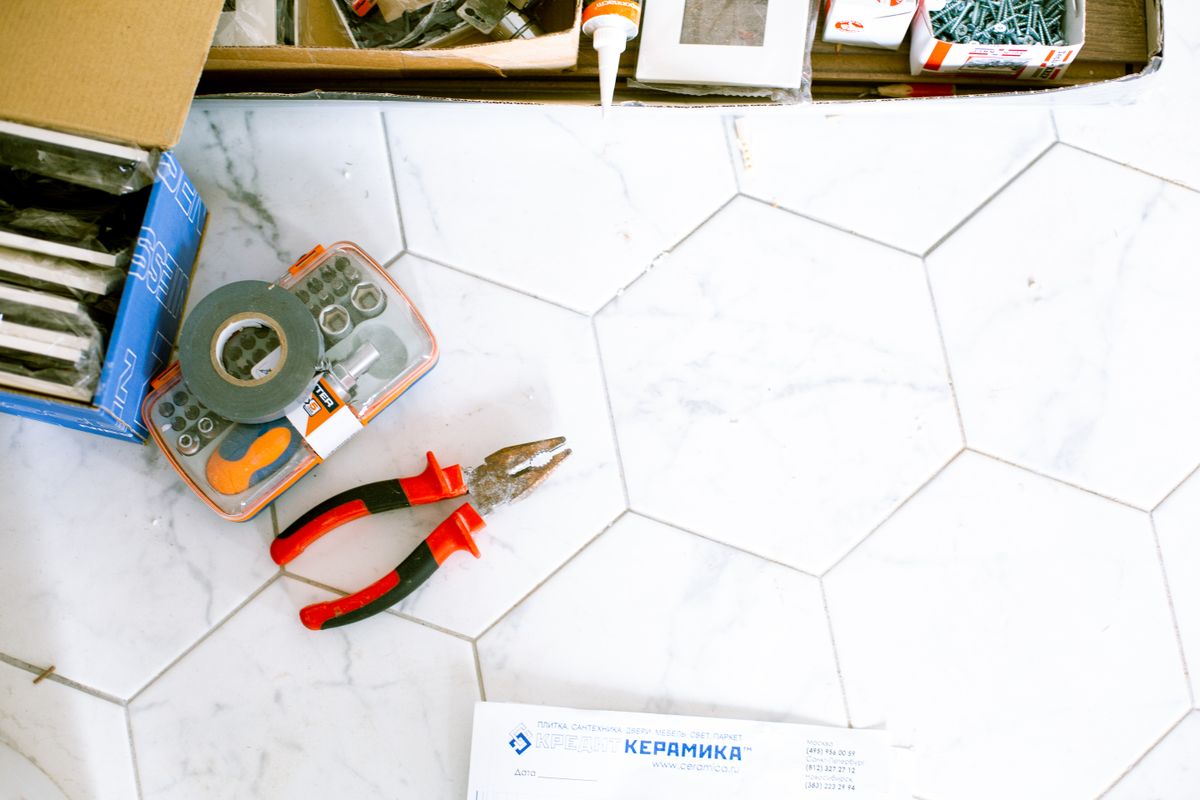
Replacing cracked or loose tiles
A cracked or hollow-sounding tile often points to something underneath. I look for the cause before lifting anything, so the replacement isn’t laid over the same problem.
THE TASK MOST PEOPLE NEVER SEE
Every tile on a floor or wall sits on a bed of adhesive combed out with a notched trowel.
The ridges are there for a reason: when the tile is pressed in, they collapse to give even contact underneath. The trowel and the amount of adhesive depend on the tile, the surface and where it’s going, which is part of what I look at during the free assessment.
It’s a step you won’t see once the job is finished, but it decides whether tiles stay firm or start to sound hollow later.
Related: Floor Tiling · Wall Tiling · Residential Tiling

Combed adhesive on a wall, ready for tiles
TILING AND WHAT SITS BESIDE IT
Bathroom and laundry jobs in particular can involve waterproofing, plumbing or electrical work. These are separate components, carried out by appropriately licensed specialists. I don’t do them myself, but I can coordinate them so they happen in the right order around the tiling.
If you’re unsure which parts of your job fall where, the scope gets worked out at the assessment, and your quote reflects what the property actually needs.
BEFORE YOU ENQUIRE
Note which task sounds closest, even if your job covers several.
Take a few photos in daylight, including a wide shot and close-ups of any cracks or loose tiles.
Have your suburb ready, so availability for your area can be confirmed.
Send it through the enquiry form, or text a short description and photos to 0413 142 055.
Every quote follows a free assessment, and scope and timing depend on what the property needs. For more on what’s useful to send, read What to Include When You Ask for a Tiling Quote, or see how a job runs from enquiry to finished work.